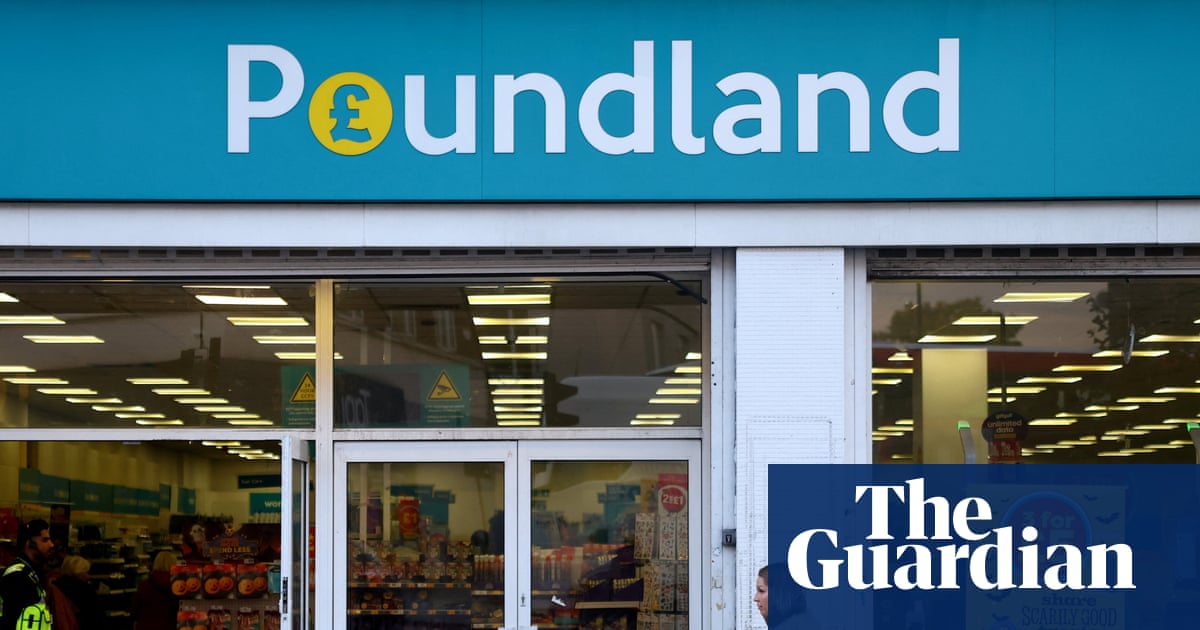
Poundland is facing a critical juncture that threatens thousands of jobs across Britain's high streets. The discount retailer's future has been cast into severe doubt after its controller, the US restructuring specialist Gordon Brothers, filed a notice of intention to appoint administrators at the high court. The legal measure provides a temporary shield from creditor demands while a solution is sought, but time is running out as suppliers increasingly hold back on deliveries, severely hampering the chain's ability to trade normally.
The Human Cost and Supply Chain Impact
The uncertainty places roughly 12,000 employees in limbo during the busy run-up to Christmas. Steve Smith, who founded the business with an initial store in Burton upon Trent in 1990, warned of the devastating ripple effects if the retailer collapses. Pointing to the wider ecosystem, Smith highlighted that the impact extends far beyond the direct workforce, noting the extensive network of suppliers and neighboring high street businesses that rely on the footfall generated by the chain's hundreds of locations.
Comments from observers on the broader employment outlook reflected deep anxiety about the retail sector, with one noting, “Retail is hard out there and if these people lose their job it could be a couple of years before they get jobs again.” Others debated the transferrable skills of retail workers navigating a difficult labor market, with a contributor arguing, “Poundland employees have got buckets of customer service experience – they’d hit the ground running in any other store.”
Buyout Proposals and Political Pressure
Political pressure has mounted on Gordon Brothers to accept a proposed rescue deal rather than pursuing a breakup of the company. Discussions have centered around an offer from Northern Ireland’s Martin Property Group, which reportedly involves an upfront payment alongside deferred payments over the next two years. While former owner Pepco—which holds a portion of the debt—was prepared to wait for repayment to help save the business, Gordon Brothers has reportedly resisted the arrangement, believing a liquidation and breakup could yield a higher financial return.
Skepticism surrounding the role of private equity ownership in retail failures also surfaced in the discussion, with participants pointing out the systemic vulnerabilities introduced when leveraged firms manage high street mainstays. “PE firms don't care about investing in staff though, they care about draining a business for all the cash they can get,” one user observed, capturing a sentiment shared by many regarding the pressures placed on traditional retail models.
As management engages with government officials to find a viable path forward, the immediate priority remains whether a last-minute agreement can stave off mass store closures and protect thousands of livelihoods before the administration deadline expires.

